THE MEMORY MACHINE
A two-channel video-installation, 25 min. , 2025 by Joëlle Dubois & Florinda Ciucio
THE MEMORY MACHINE - PART 1
THE MEMORY MACHINE - PART 2
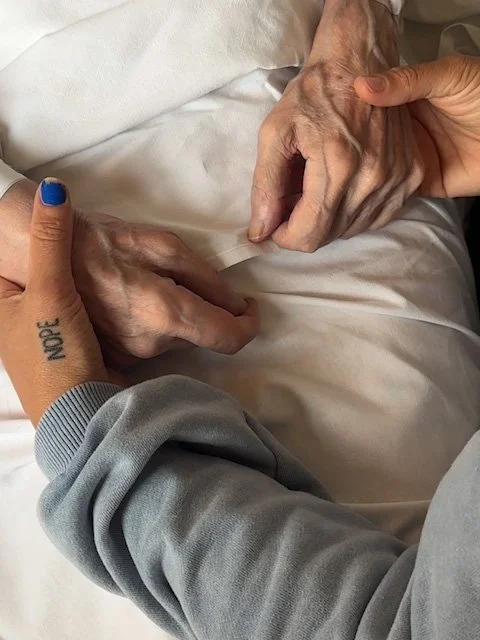
For nine years, Joëlle Dubois looked after her mother who suffered from Alzheimer’s. As her mother’s memories gradually slipped away, Dubois sought to preserve them through video recordings, letters, and her art. Using her iPhone, she captured the small, everyday gestures that, in their apparent simplicity, painfully reveal the quiet tragedy of forgetting. She’s gathered more than 350 short fragments – testimonies of a slowly fading existence. With The Memory Machine, Joëlle Dubois and Florinda Ciucio have created an immersive, contemplative space in which two screens function as sculptural objects – two entities positioned opposite one another. Images unfold in an endless loop and guide the viewer into the subconscious, fluctuating between external action and inner thought.
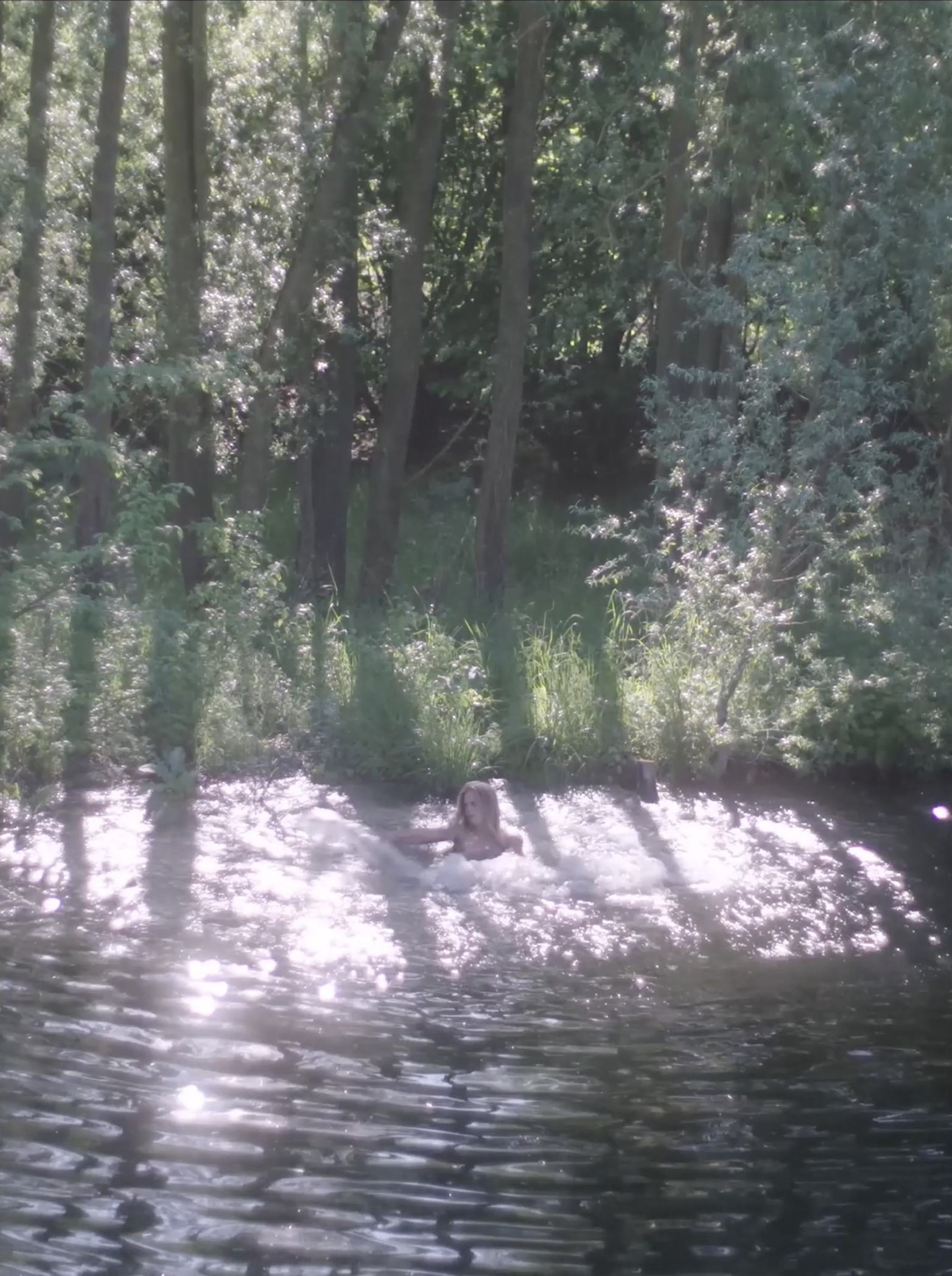
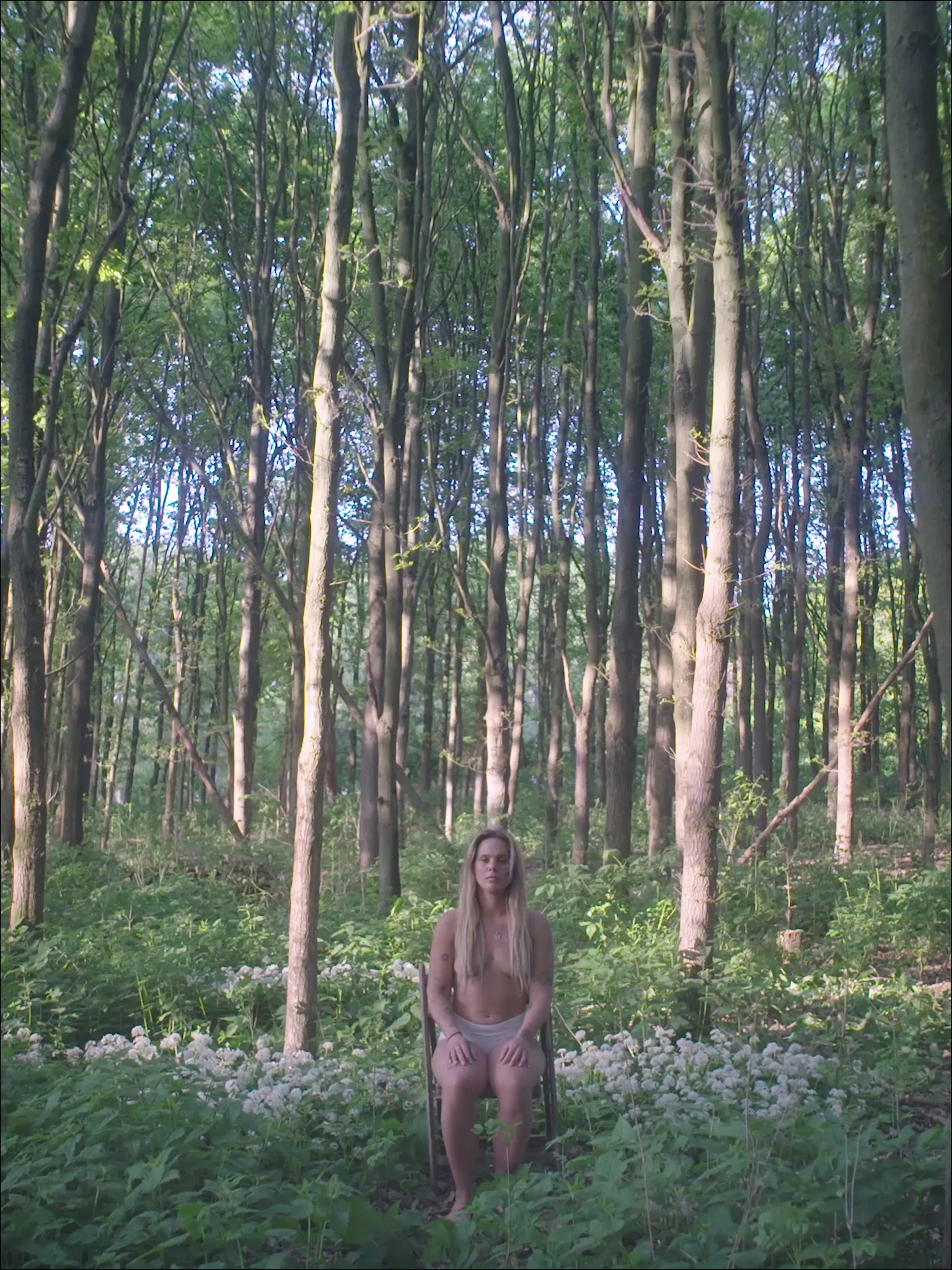
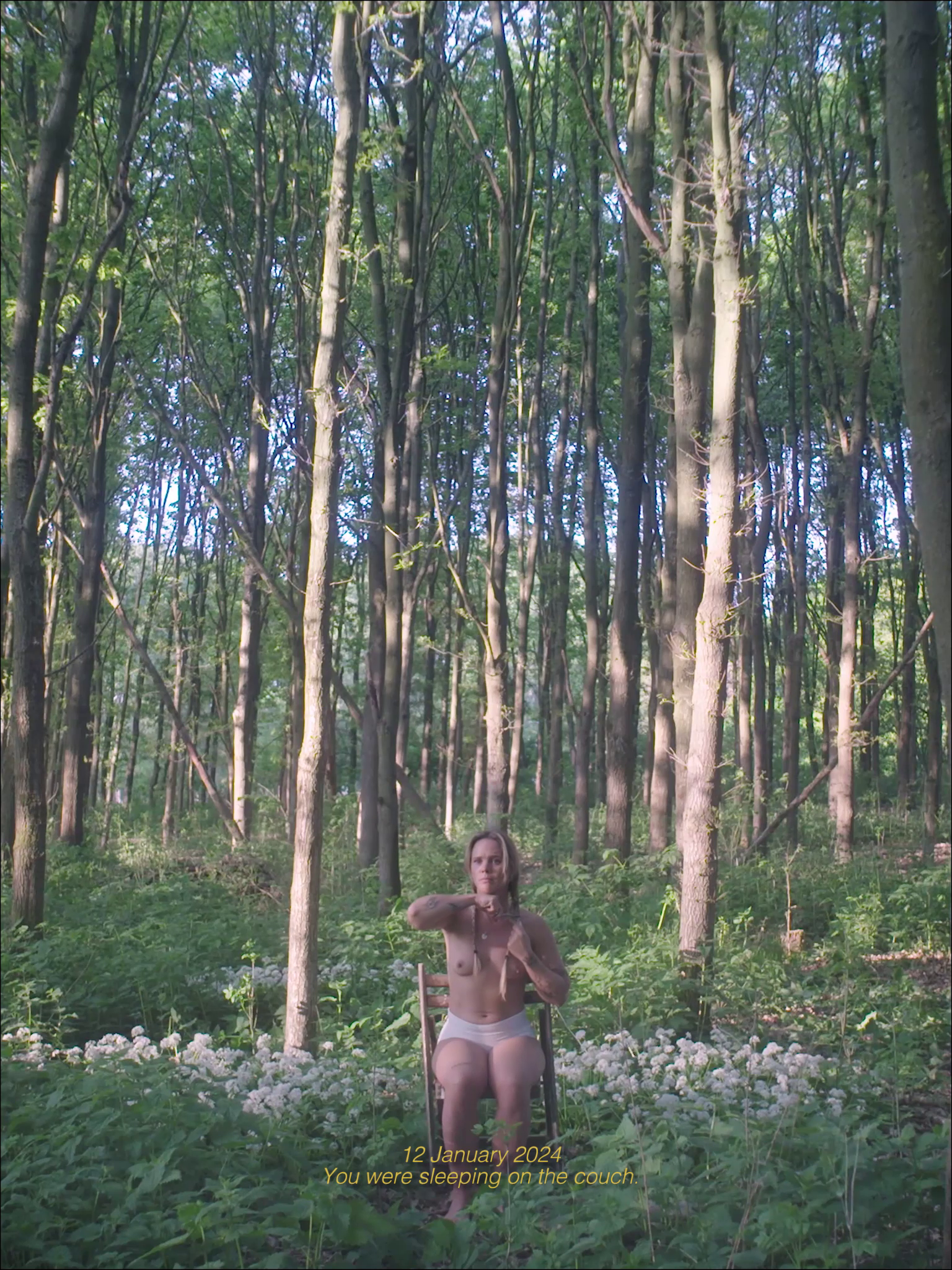
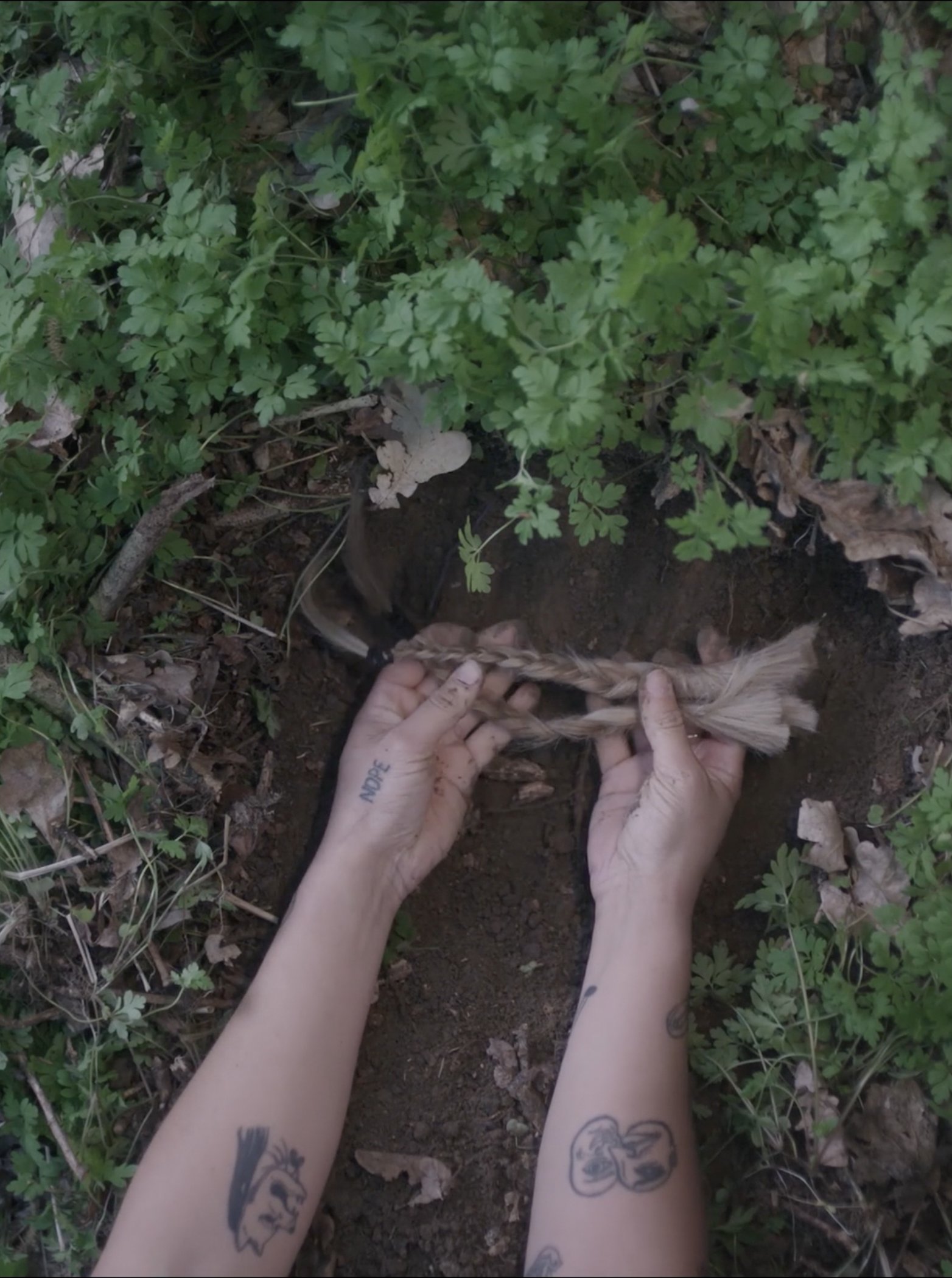
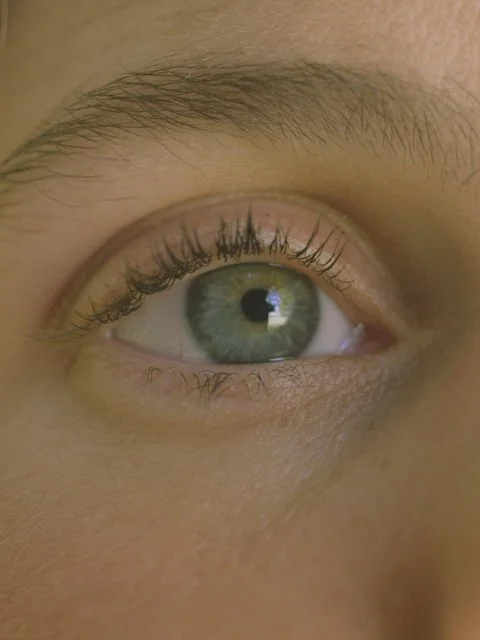
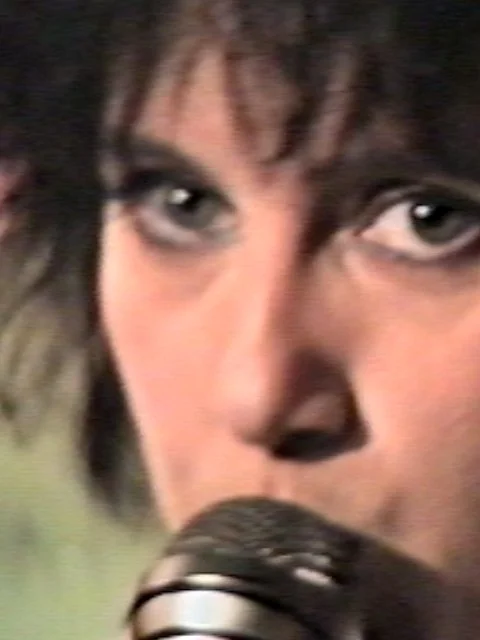
The first screen draws you into a cycle of relentless, almost Sisyphean actions, of the protagonist (Dubois) who is caught in a continuous attempt to grasp something that is just out of reach. These repetitive gestures seem to express a plea or a desperate attempt to connect with something, or someone, beyond – movements intended to summon something buried deep within memory. You can hear Dubois reading fragments from ‘MAMA UPDATES’, notes documenting activities she did with her mother during visits. As she says them aloud, these notes evolve into a kind of meditative mantra.
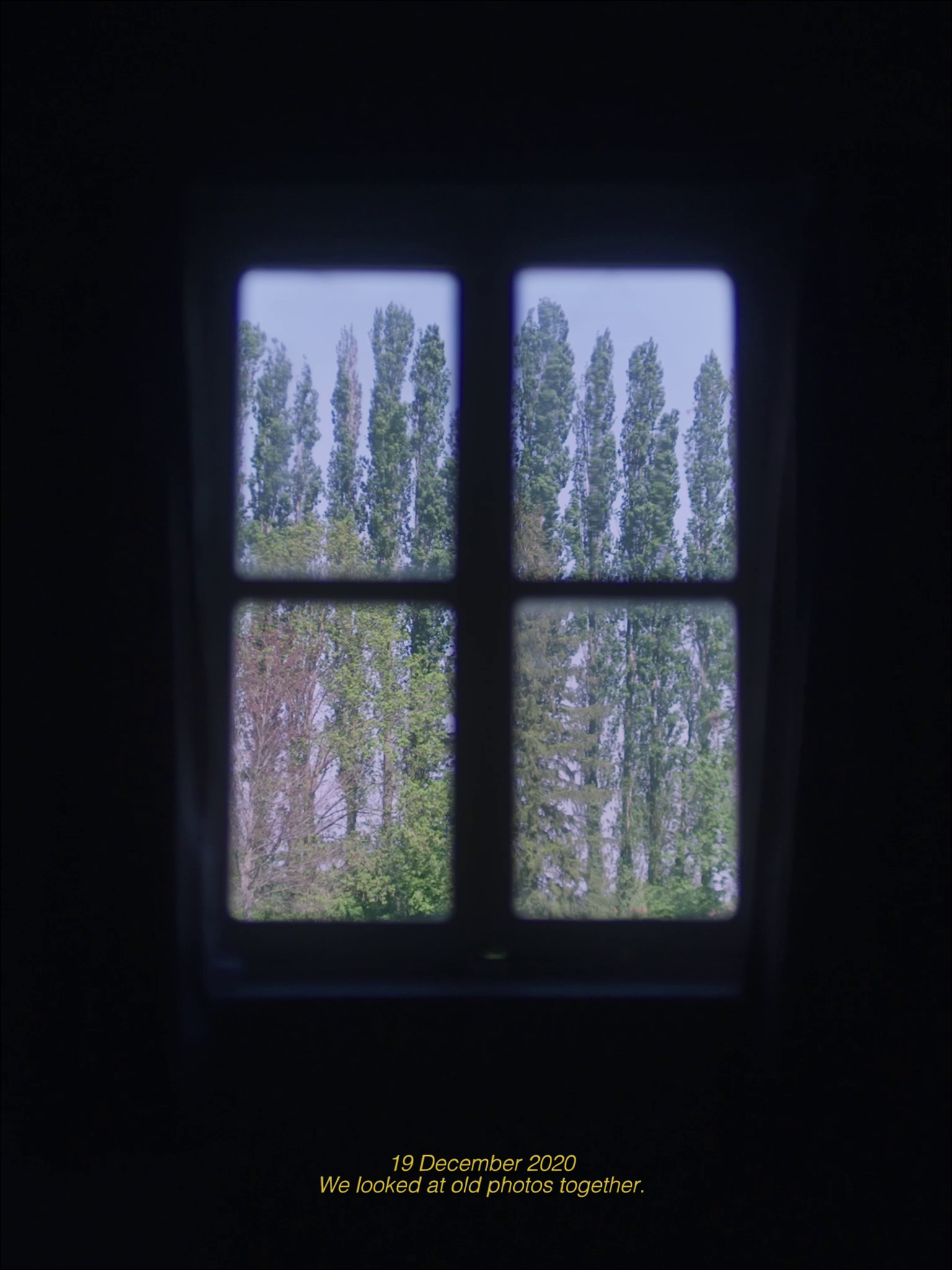
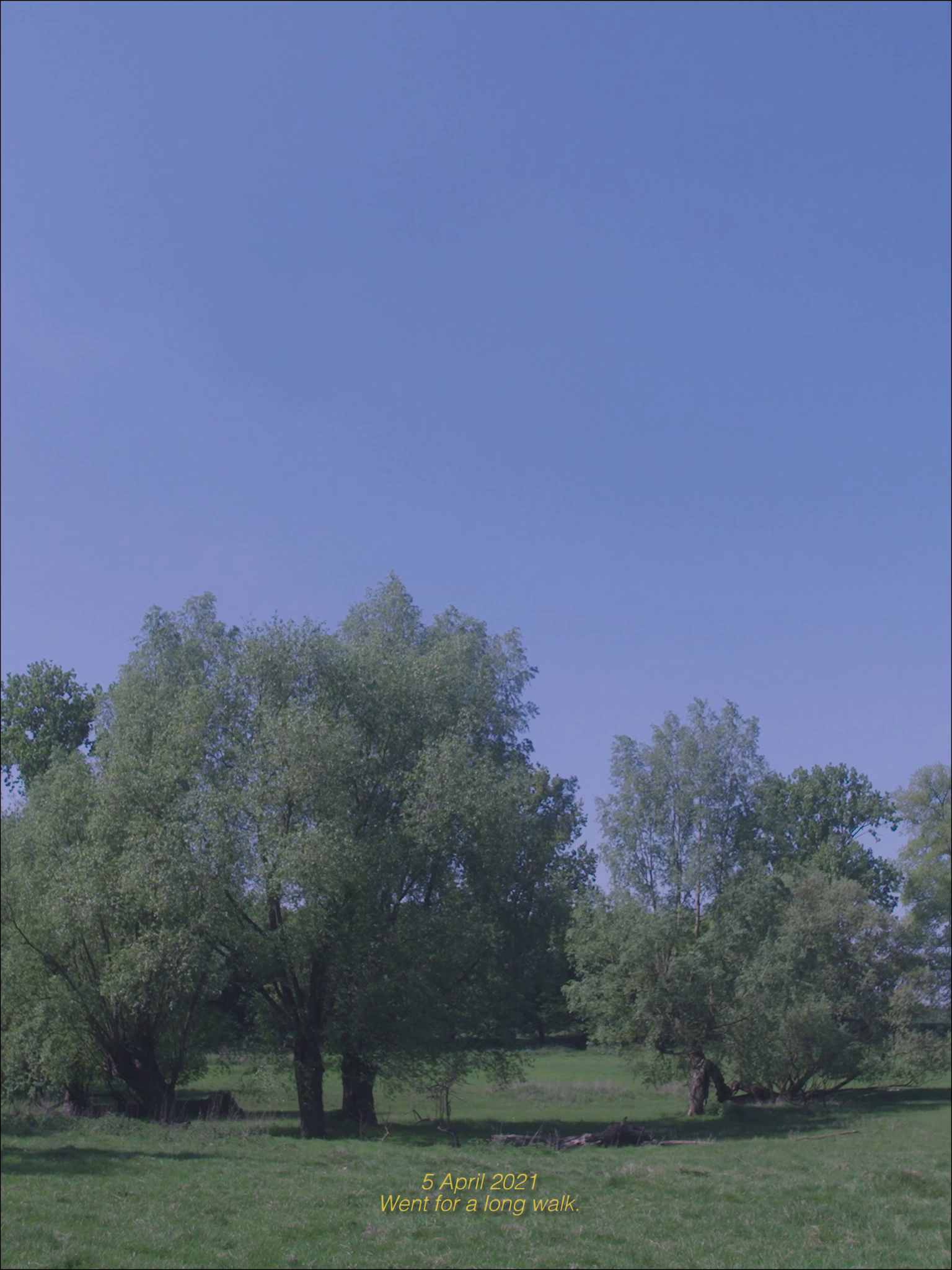
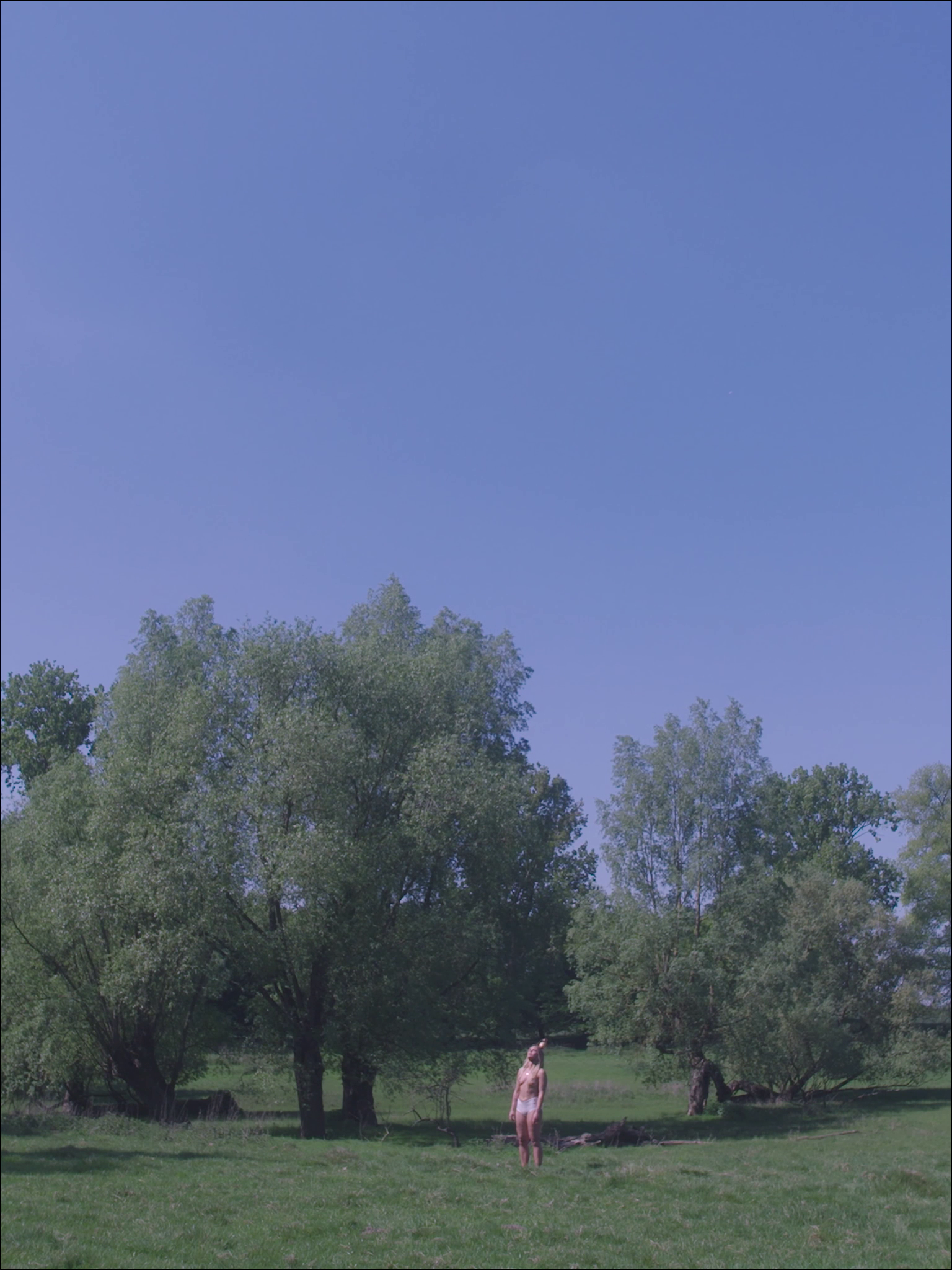
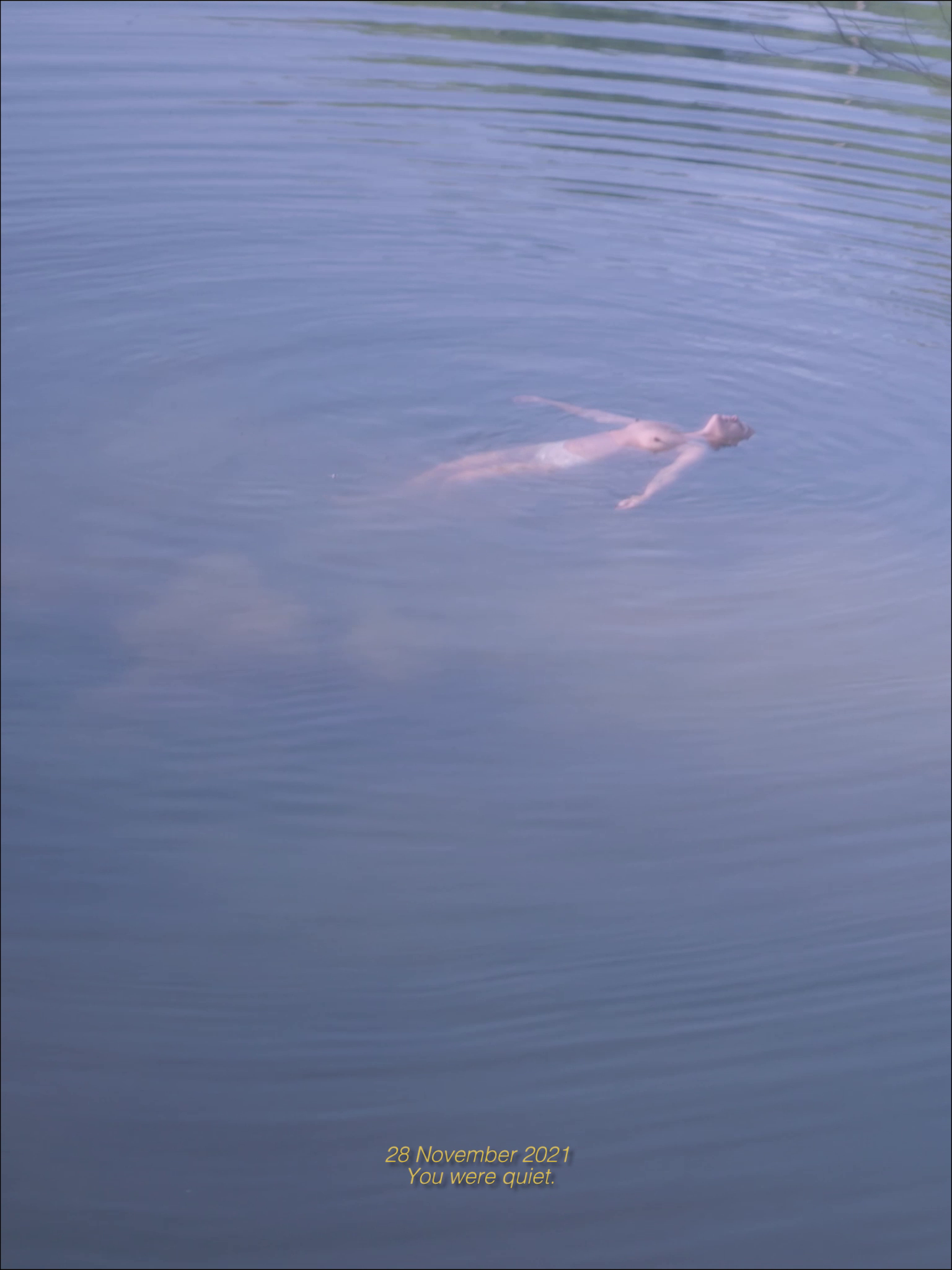
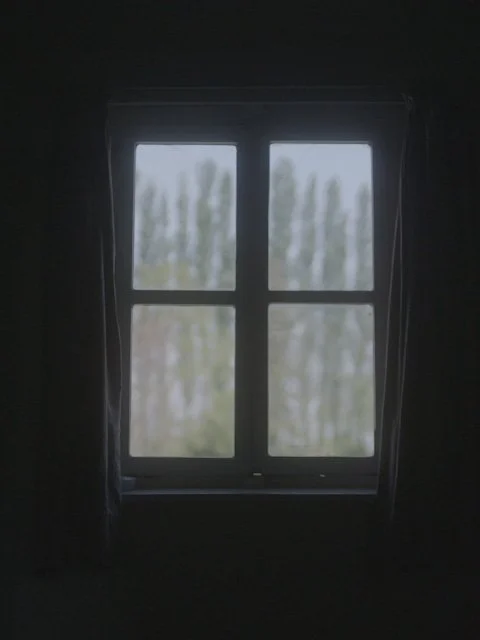
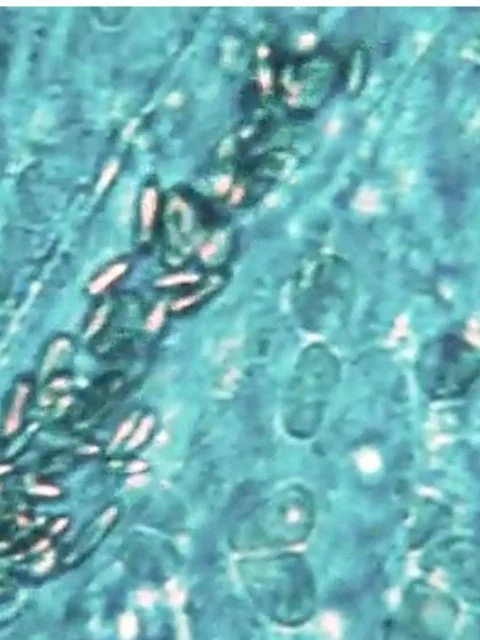
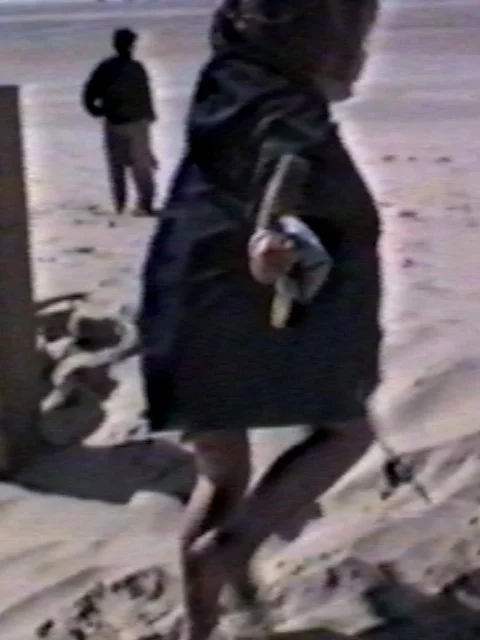
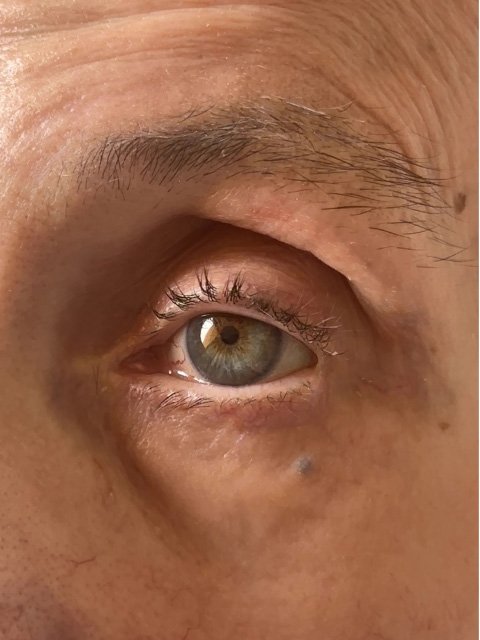
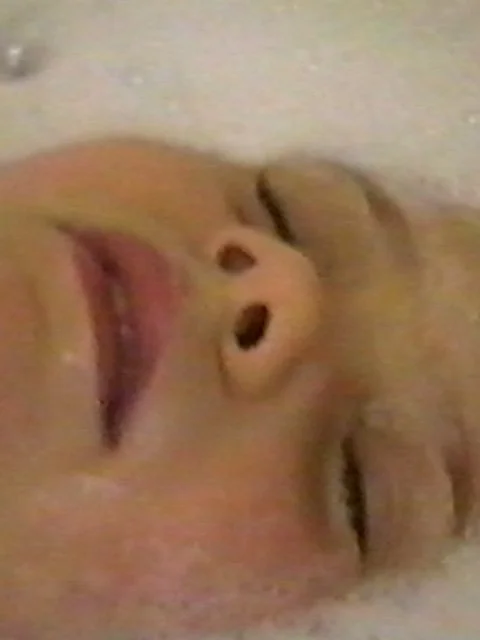
The images on the second screen are more contemplative. They appear and dissolve like memories rising to the surface. Fluid, shifting, almost hypnotic. While the first video approaches memory through physical action, the second reflects how the mind recreates and distorts remembrance through distorted archival footage, associative images, home videos, and a brown noisescape. Moments of stillness are suddenly interrupted by rapid, fragmented imagery. This rhythmic oscillation mirrors the emotional turbulence of grief itself: the slow, heavy pull of absence intertwined with flashes of urgency, of wanting to hold on before everything slips away. The pacing becomes a language in its own right, echoing the unpredictable rhythm of memory and mourning.
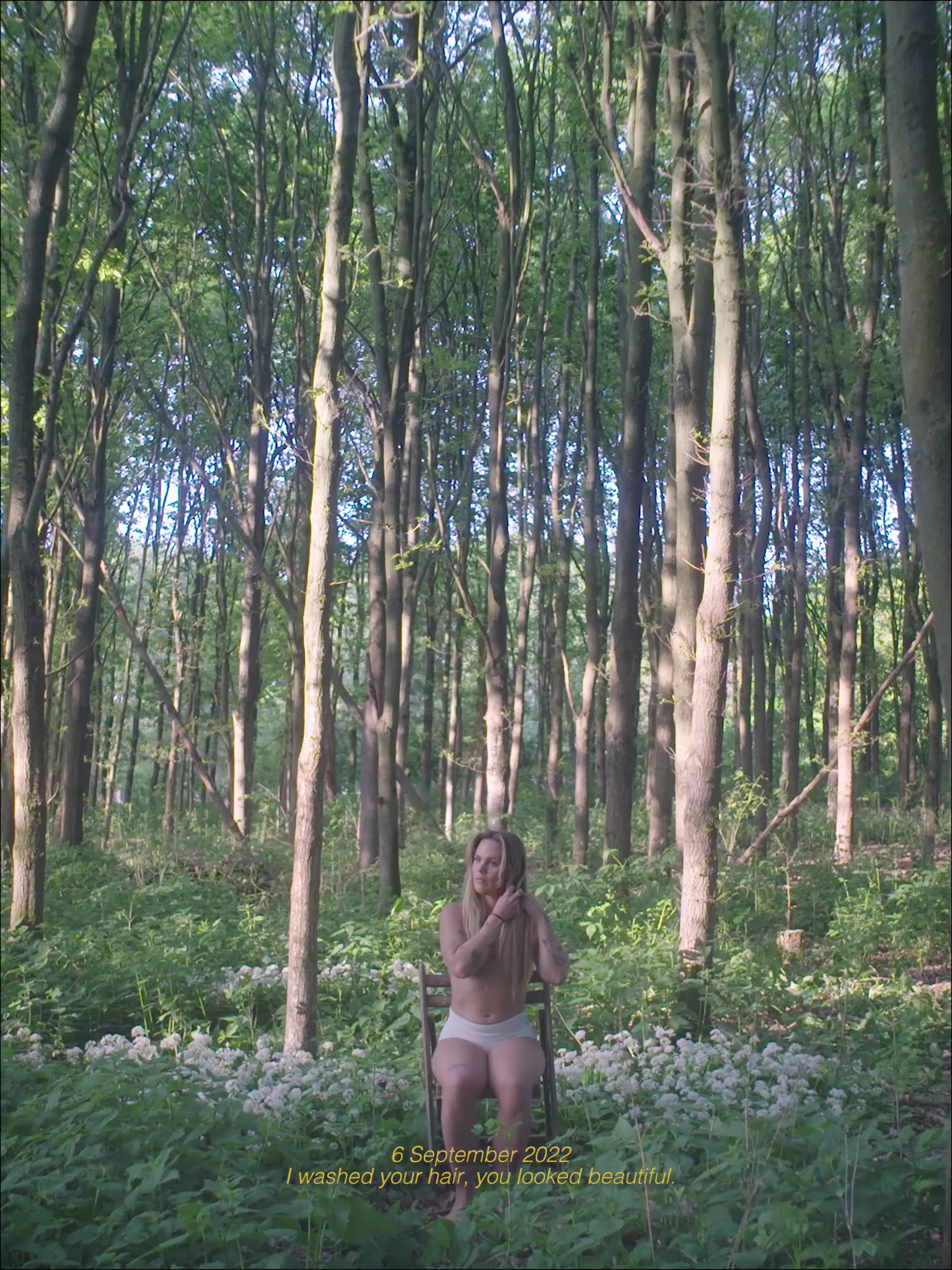
The spatial arrangement invites a non-linear experience: the viewer moves between the two projections, drawn into a twilight zone where past and present, action and reflection, intermingle. Within this shifting space, the work unfolds through a delicate tension and continual play of stillness and acceleration. The images also evoke symbols and associations that have found their way into Dubois’ broader practice. A simple bell, for instance, takes on an almost sacred role in The Memory Machine: it connects and calls into action; it summons like church bells call upon their believers, or marks a sacred transition much like ritual gongs during ceremonies. The bell punctuates moments and announces presence or shifts in energy. The bell becomes a bridge between memory and presence, between mother and legacy. Equally powerful is the motif of hair, the cutting of which symbolises transformation and release.
The installation invites remembrance, yet simultaneously confronts us with the transience of those very memories. Through this, Dubois and Ciucio explore the power and powerlessness of holding on and letting go, and the quiet sorrow that comes with watching connections fade, especially in the context of Alzheimer’s disease. Throughout the work runs a subtle, feminine undercurrent, where tenderness and strength coexist. The Memory Machine thus becomes not only an exploration of loss and memory, but also a meditation on the embodied, gendered nature of remembering and mourning.
VIDEO STILLS - PART 1
VIDEO STILLS - PART 2
Supported by the Flanders State of the Art